Sweets, candies and other delicacies of Turkish cuisine
Among all the variety and culinary richness that you will find in Turkey, don't miss Turkish desserts.
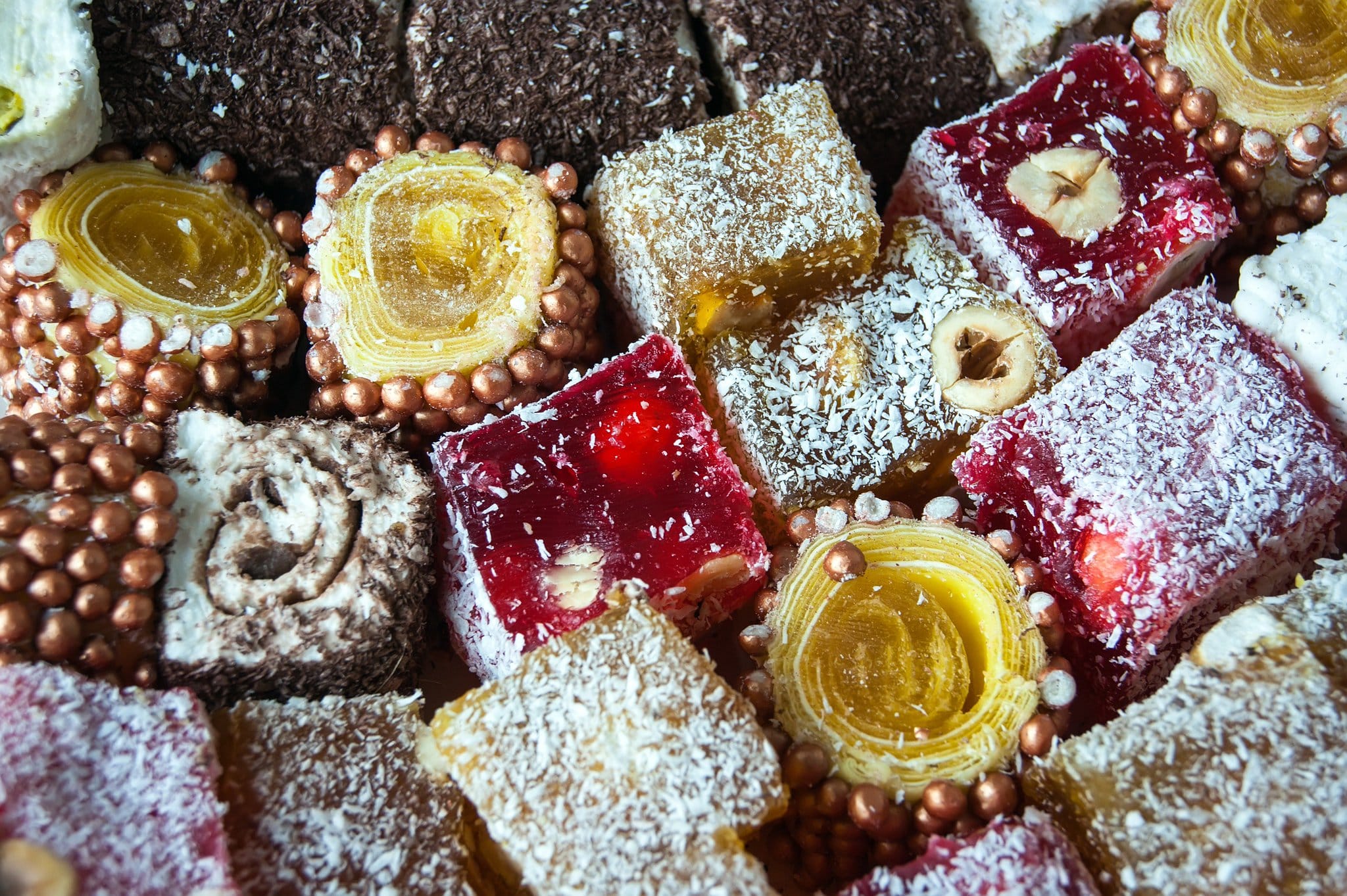
In Turkey, desserts and sweets are often consumed between meals, in the afternoon, with tea or coffee (Turkish, of course). Like many Turkish dishes, most Turkish desserts can be found in other countries in the region ( Greece , Balkans, Armenia, Lebanon, Israel and Syria) due to a common Byzantine and Ottoman past.
Most of you probably know the famous Turkish delight and baklava, and some are gourmets and kunefe, but you will find that Turkish cuisine also offers amazing desserts with pumpkin, cheese and even chicken breast.
Whether you like them or not, Turkish desserts are worth a try and won't leave you indifferent. Here is an overview of the desserts you can find in Turkey.
BAKLAVA
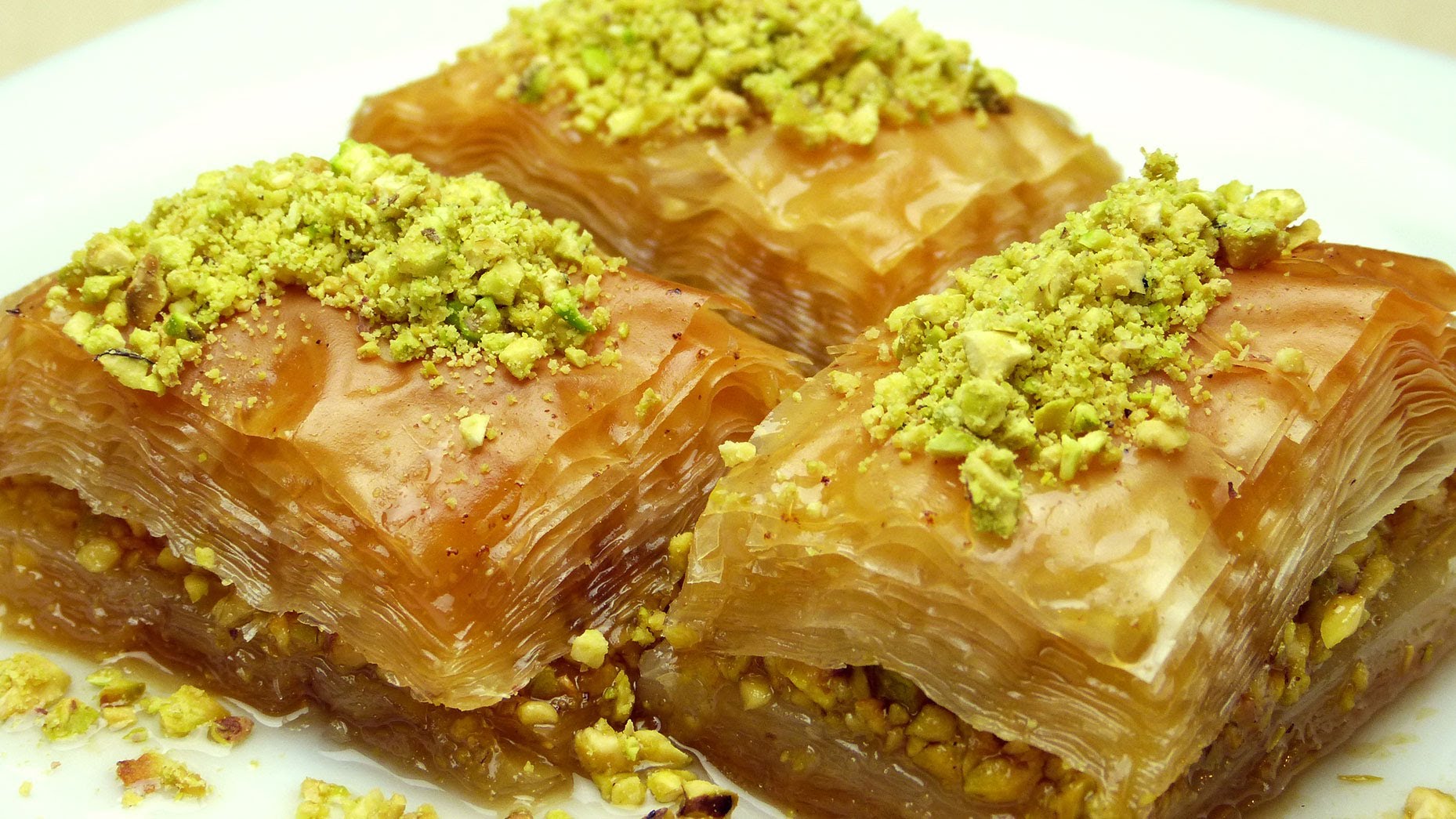
This is by far the most famous Turkish dessert. Its origins date back to the Byzantine Empire, although its form and current recipe were developed during the Ottoman Empire.
Baklava can be compared to our Napoleon cake but made from phyllo dough (yufka). In Turkey, it is traditionally prepared by stuffing pistachios, or less commonly almonds or hazelnuts, between layers of yufka leaves. The city of Gaziantep in southeastern Turkey is famous for its pistachio baklava and considers itself the birthplace of this dish.
Although it can be found everywhere, it is very difficult to prepare correctly; in order to fully experience its taste and aroma, it must be served straight from the oven.
KNAFEH, KUNAFA
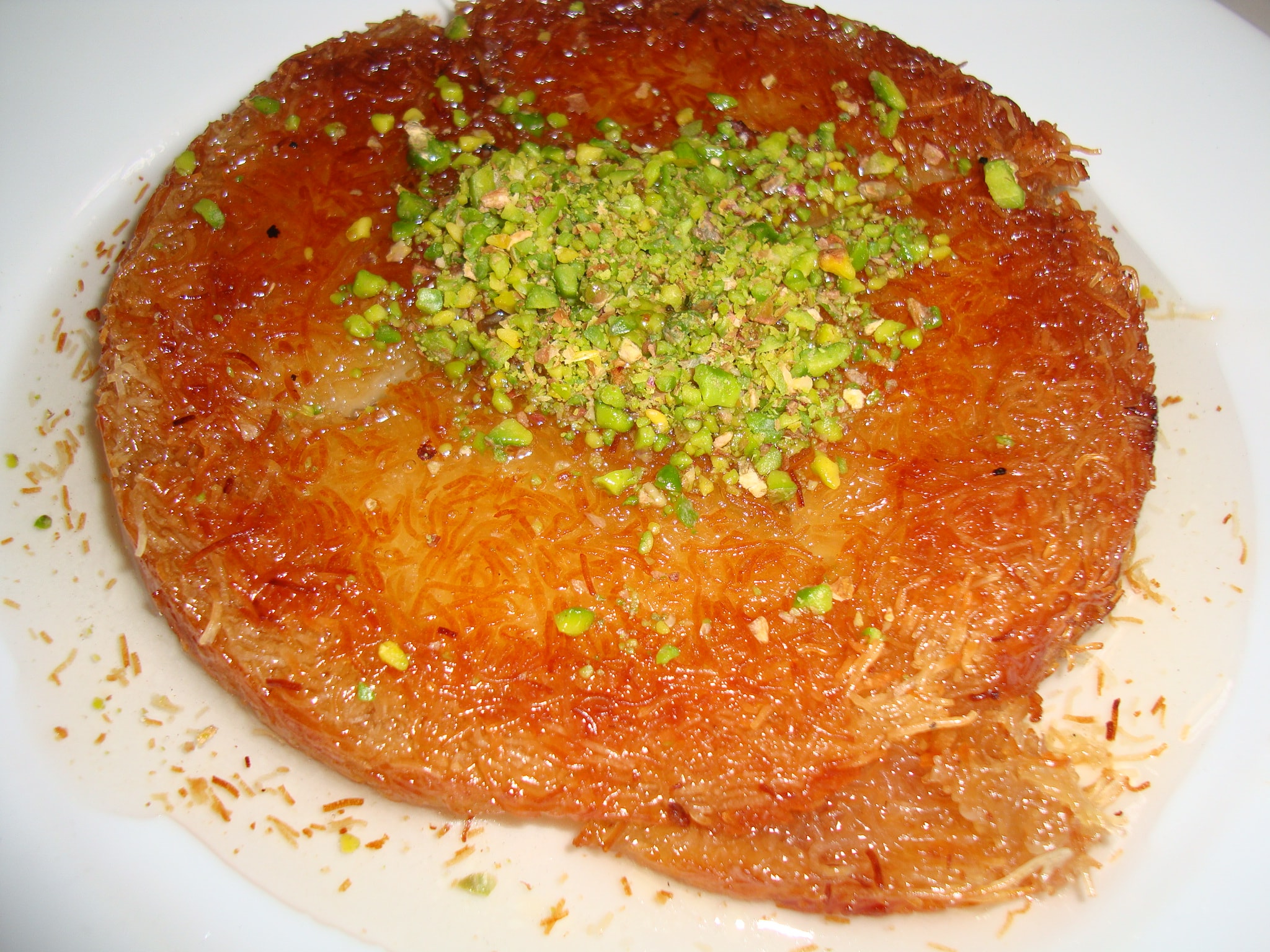
Kunefe is a type of pie traditionally eaten in Turkey. It is not usually found in baked goods because it needs to be eaten hot. Originally from southern Turkey, it is made from angel hair, a Turkish cheese called Dil Peynir (a local version of mozzarella), butter and sugar syrup. We highly recommend you try one of these with warm Turkish tea.
TURKISH DELIGHT
Like baklava, Turkish delight is a sweet that is known throughout the world and spread throughout the Mediterranean basin. Lukum comes from Istanbul. It was invented in 1776 by the Ottoman confectioner Haci Bekir.
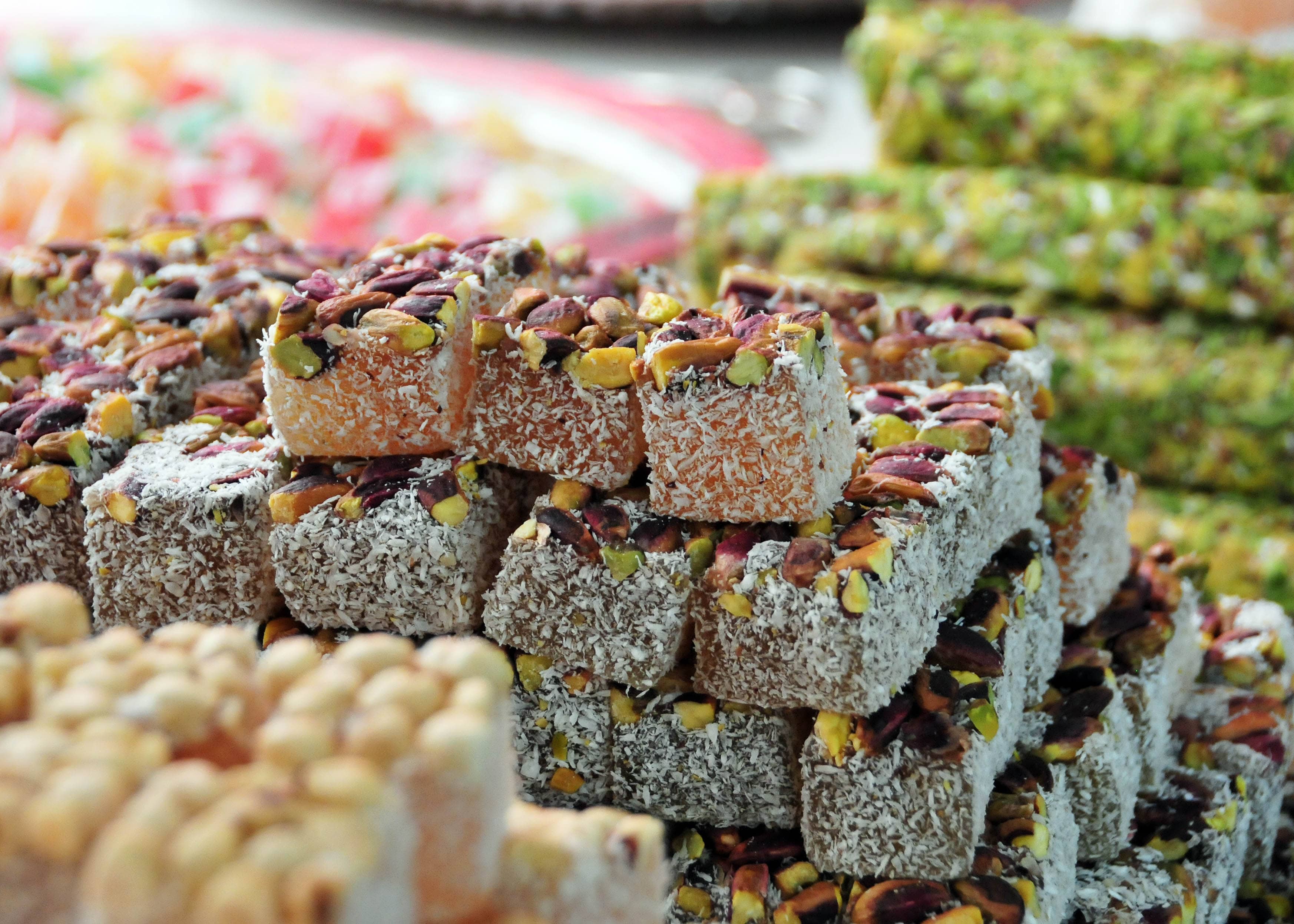
First known as Turkish Delight, which in Turkish means happiness in the mouth because the fluffy morsels were a joy to chew, Turkish Delight is made from cornstarch, sugar and fruit paste or nuts. It was a common sweet among high society ladies during their afternoon tea. Turkish delicacies were also used as proof of love between couples.
This candy brought happiness and success to Haci Bekir and his store (which still exists in the Eminonu area). He was also appointed chief confessor of the court of Sultan Mahmud II.
Today Turkish Delight can be found everywhere in the tourist area of Sultanahmet, including the Spice Bazaar, but we recommend that you prefer small boutiques in less tourist areas offering only Turkish Delight because they are of higher quality, made without sweeteners or artificial preservatives.
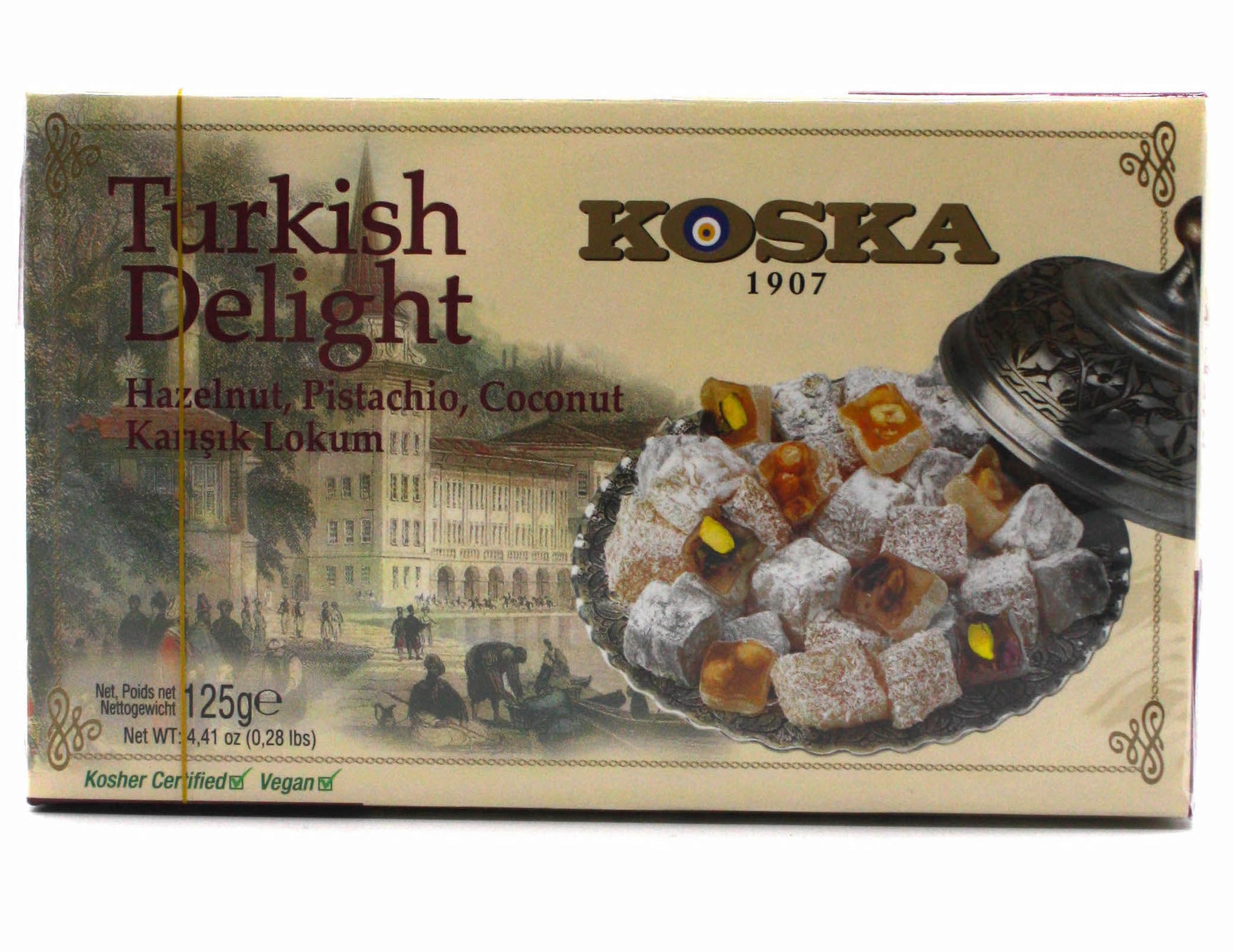
Look for the best Turkish delight in special stores under the Koska brand.
TAVUK-GOKSU
This is one of the most popular desserts in Turkey. The dish is very original because it is a kind of pudding made from chicken breast, rice, milk, sugar and cinnamon. "Tavuk heksu" means "chicken breast".
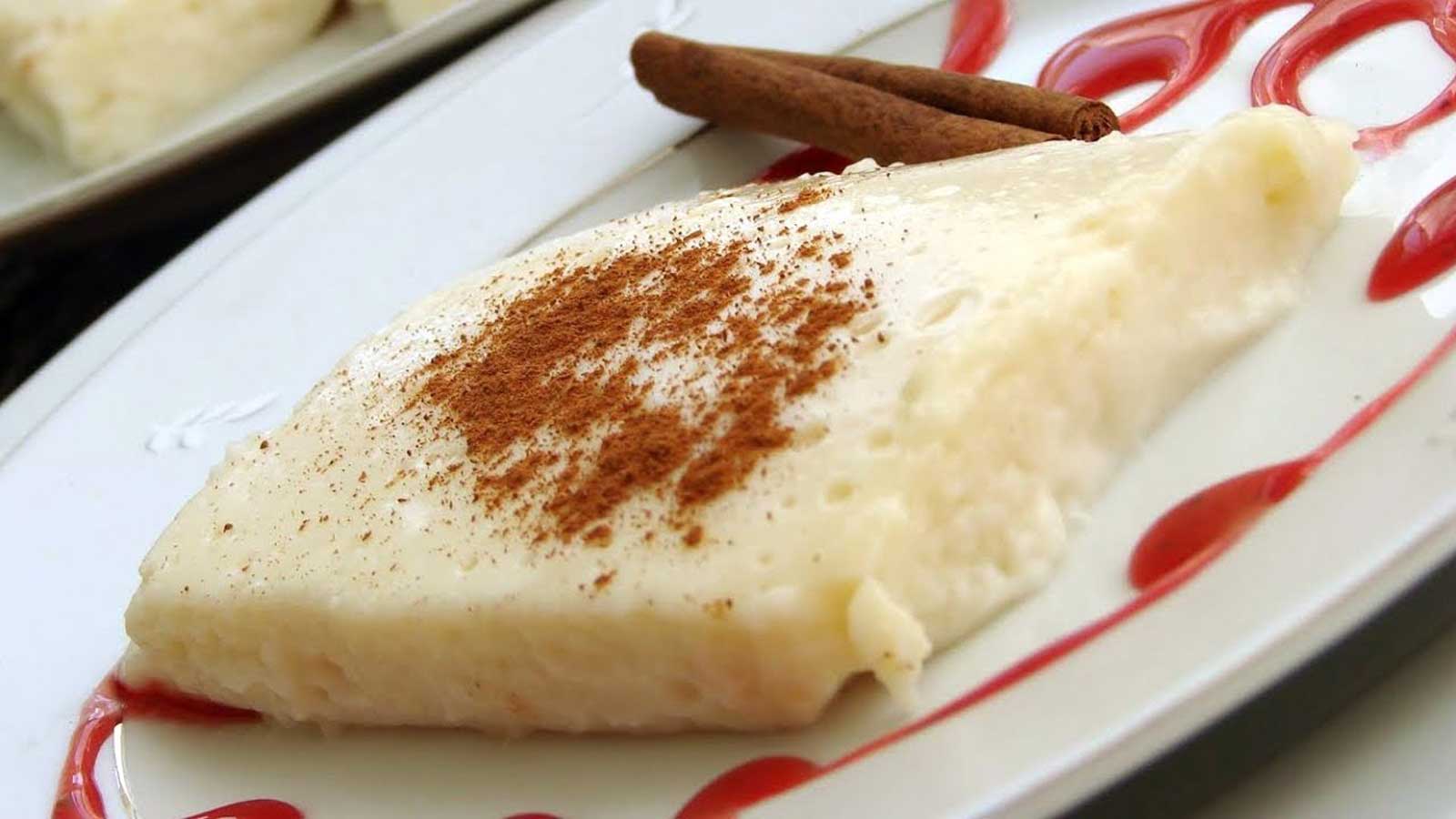
Legend has it that one night the Sultan was craving something sweet, but the palace chefs were in a panic because there were not enough ingredients to make the dough. They came up with the idea of using chicken breasts to create this unusual dessert.
In fact, tavuk göğüsü is very similar to blancmange, an English dessert from the Middle Ages. Although it may sound unappetizing, we recommend you try one of these during your stay in Istanbul, you will be surprised!
GYULLAC
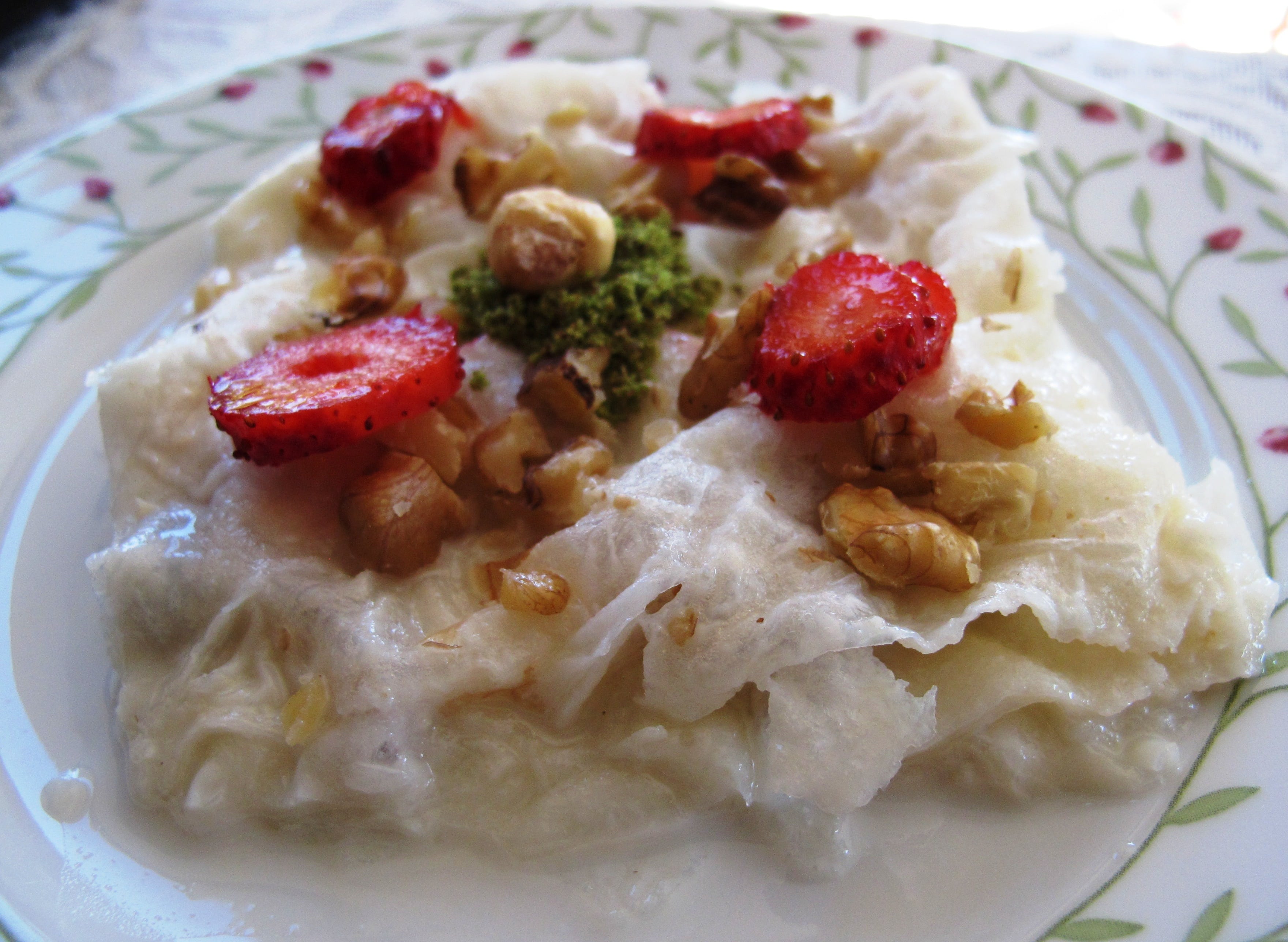
Güllach is an Ottoman dessert that is especially eaten during the month of Ramadan. He is mentioned in a cookbook describing a banquet celebrating the circumcision of Suleiman the Magnificent's son in 1539.
Considered the ancestor of baklava, güllach, whose etymology comes from “Güllü-ash” or “rose flour,” has a unique texture with ingredients such as rose water, walnut, pomegranate and milk. You may also find other fruits in some varieties.
To make the gullach, you dip very thin sheets of phyllo dough in a small amount of sweet milk, and then, once they are well softened, place them on a plate. Once every two or three sheets of phyllo dough you sprinkle with walnuts, hazelnuts, pistachios, ground almonds or coconut powder. The dish is then topped with milk for dipping, aromatic rosewater and/or vanilla. Everything is usually garnished with a line of chopped pistachios and candied cherries or pomegranate seeds.
QUINCE DESSERT
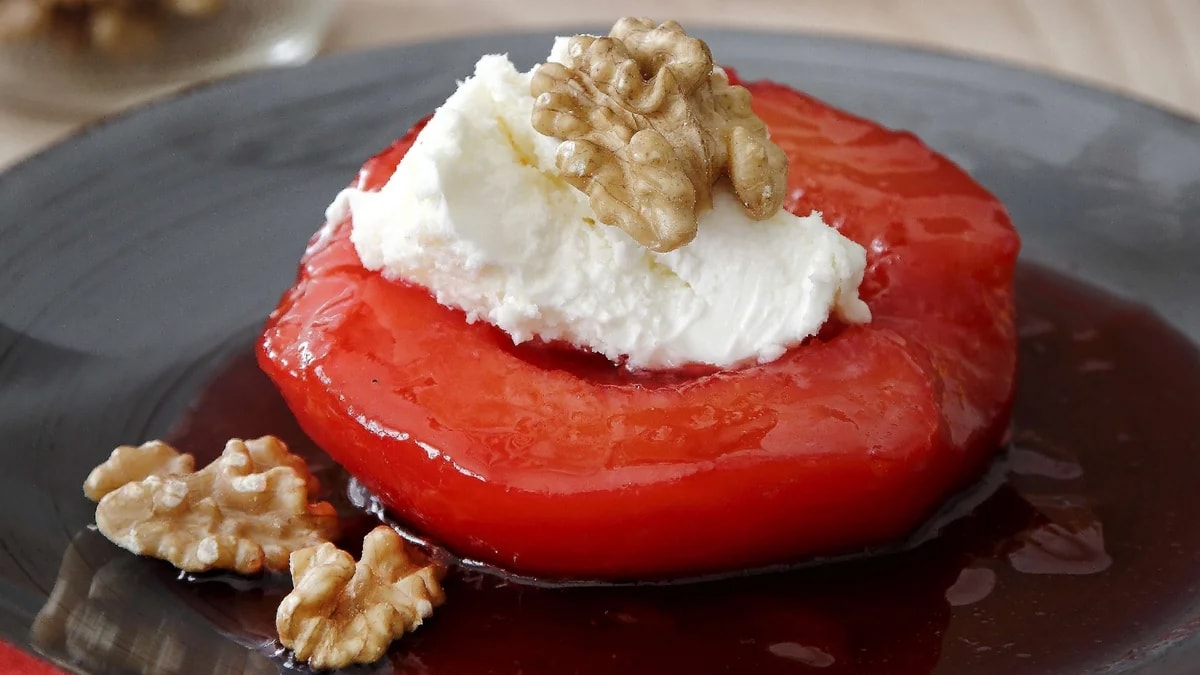
"Quince tatlysy" means quince dessert. These are quince halves soaked in syrup and then baked in the oven and finally in a thicker syrup. After boiling for more than an hour, the quince becomes very tender and sweet, it is eaten with a spoon and is always served with “kaymak”, which is a delicious cream made from buffalo milk. It is also sprinkled with pistachios or walnuts.
There is also an alternative version with pumpkins called "kabak tatlysy".
MUHALLEBI
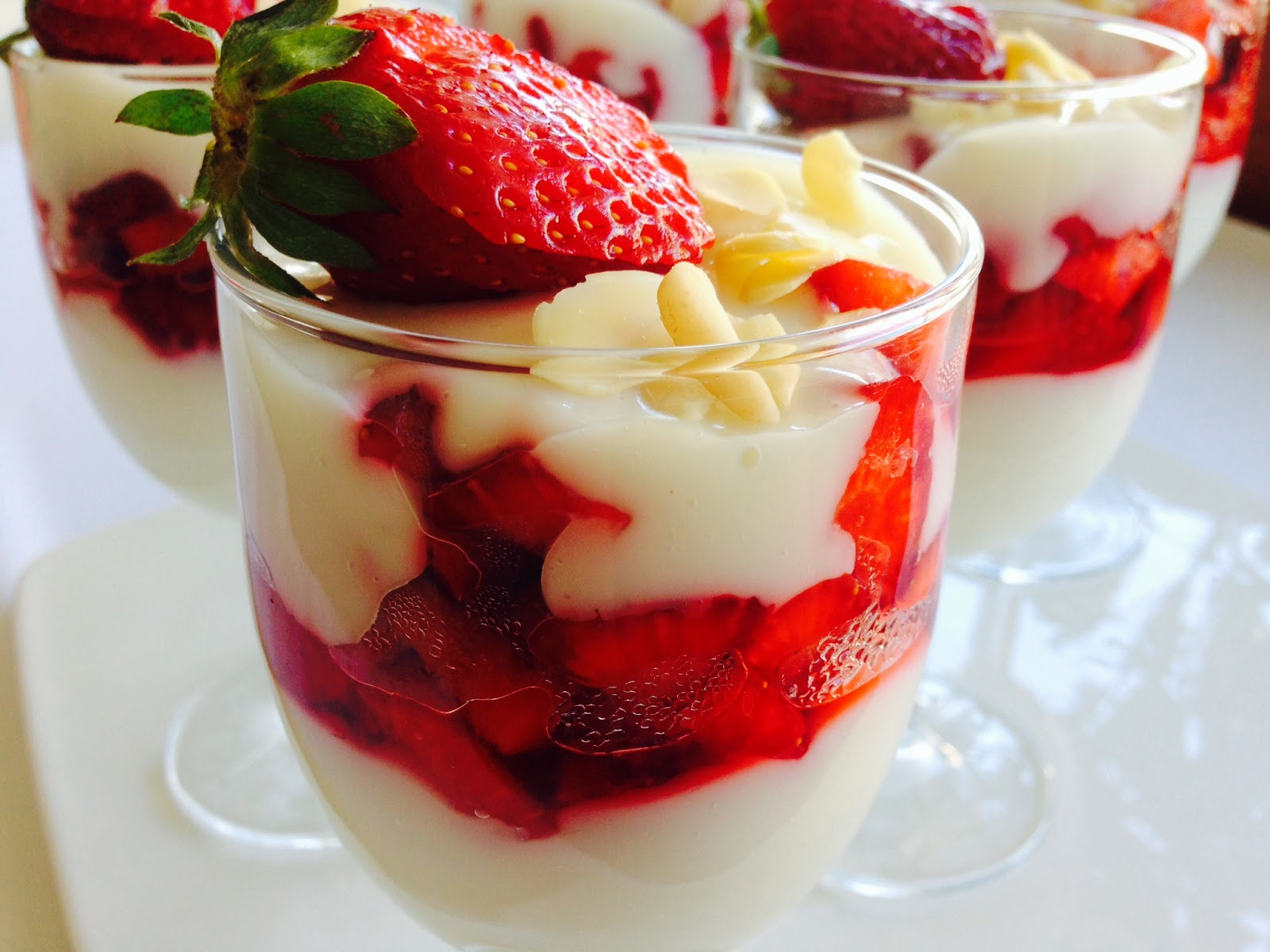
Muhallebi is a milk-based pudding made from rice flour and mastic. Heavy cream is usually colored with orange blossom, saffron or cinnamon. It's the perfect refreshing summer dessert, with pistachios often added on top.
HELVA
You can see this dessert everywhere in Turkey. Helwa, whose etymology comes from the Arabic “halwa”, means sweet. This name combines several desserts prepared with tahini (sesame paste). They are mainly consumed outside food.
THE THREE TYPES OF MOST COMMON HELVAS ARE:
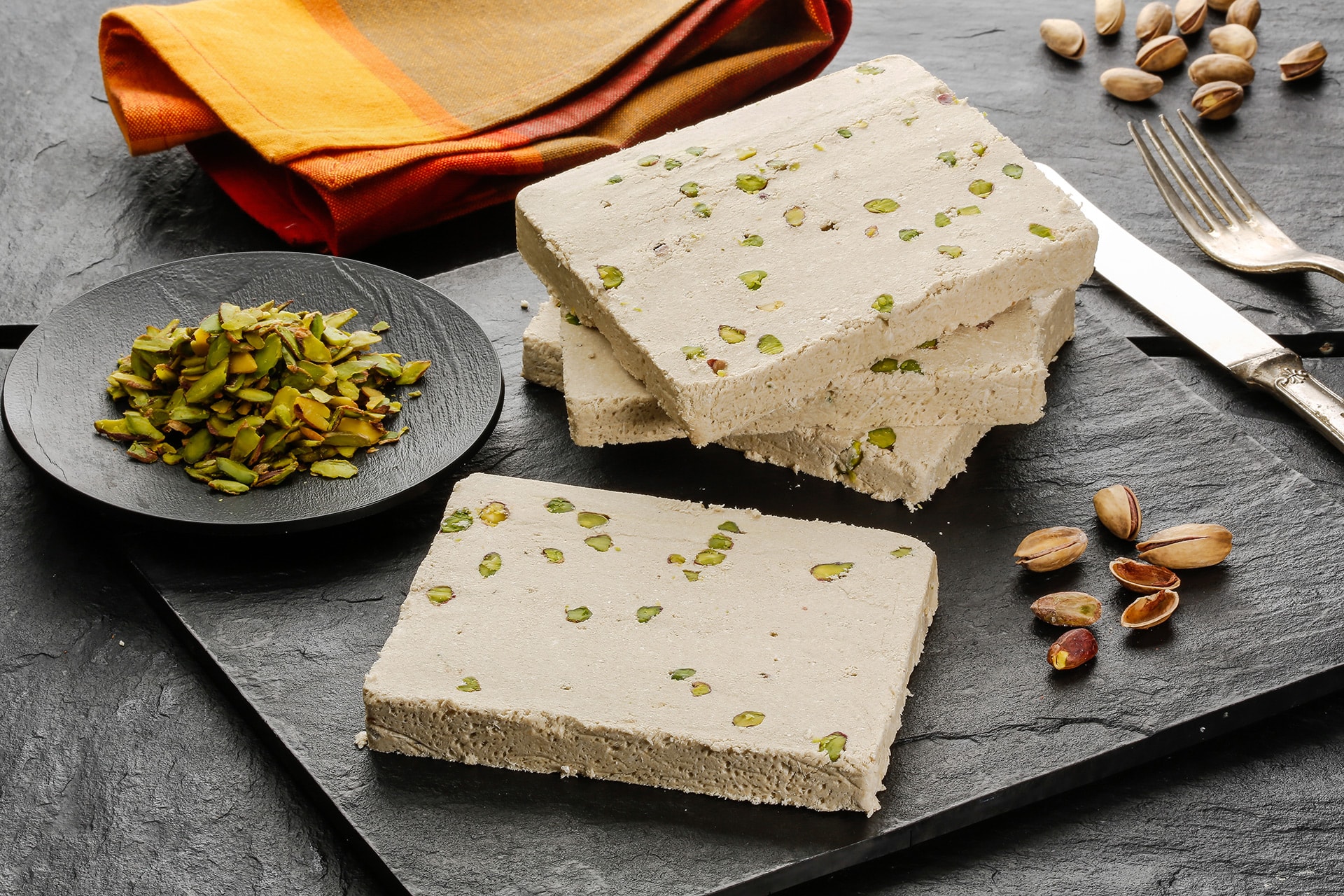
- Takhin Helvas: This is a compact Helva with a sesame base. It is usually sold in markets and confectionery shops.
- Irmik Helvasi: This is semolina Helva, also called “winter Helva”, it is often served with a scoop of ice cream
- Un helvasy: It is made from wheat flour. You won't find it in the store as it is a homemade dessert. It is a Muslim tradition to prepare helva and distribute it to neighbors on the 7th day, 40th day and a year after death
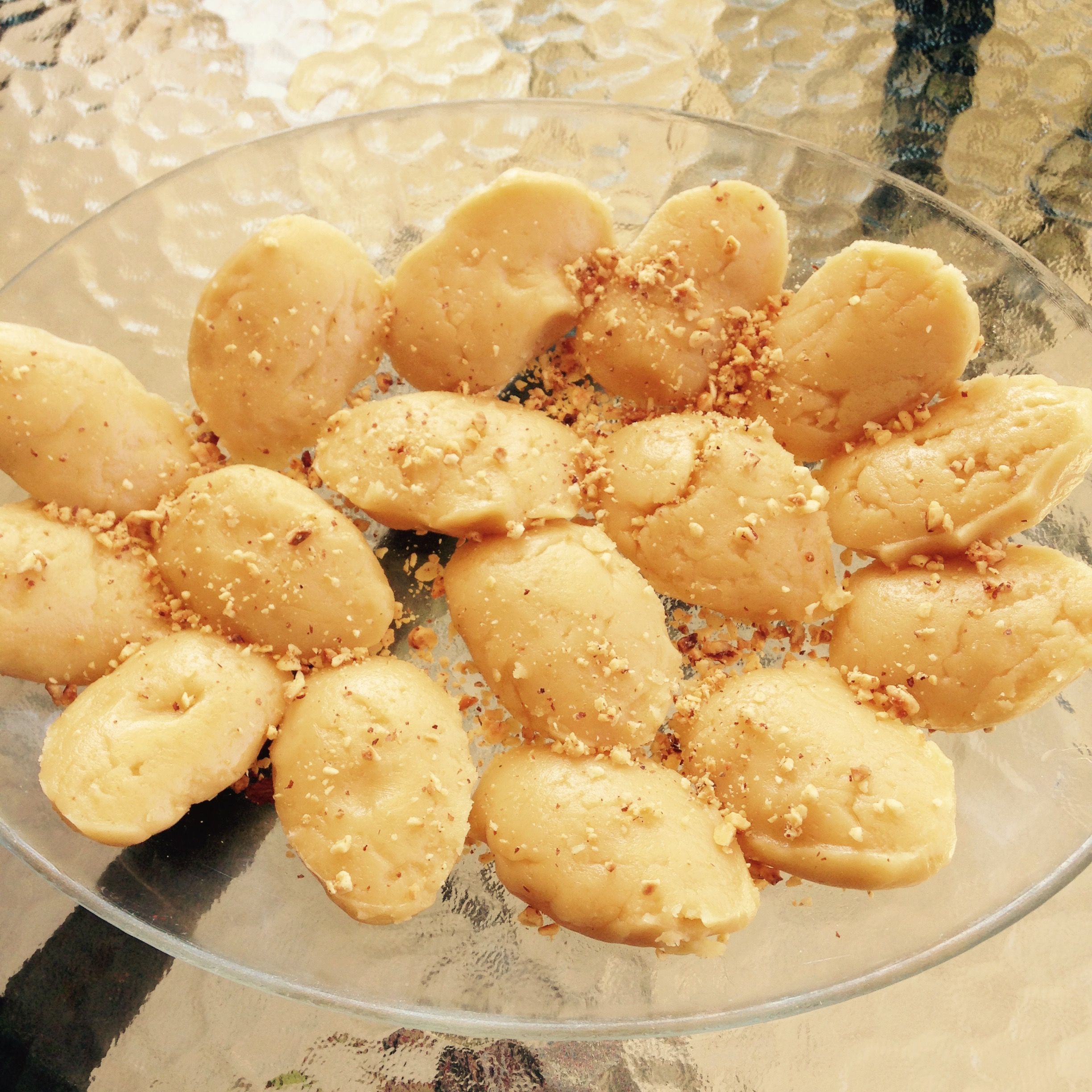
CAKE “THREE MILKS”, TRILEÇE DESSERT
Three Milks is a cake from the Balkans, and has literally invaded Istanbul. From large Bosphorus palaces to small traditional restaurants, trileshe is served here. It is unclear how or why the trilesha craze began in Istanbul, but it was most likely Albanian immigrants who introduced it to Turkish kitchens.
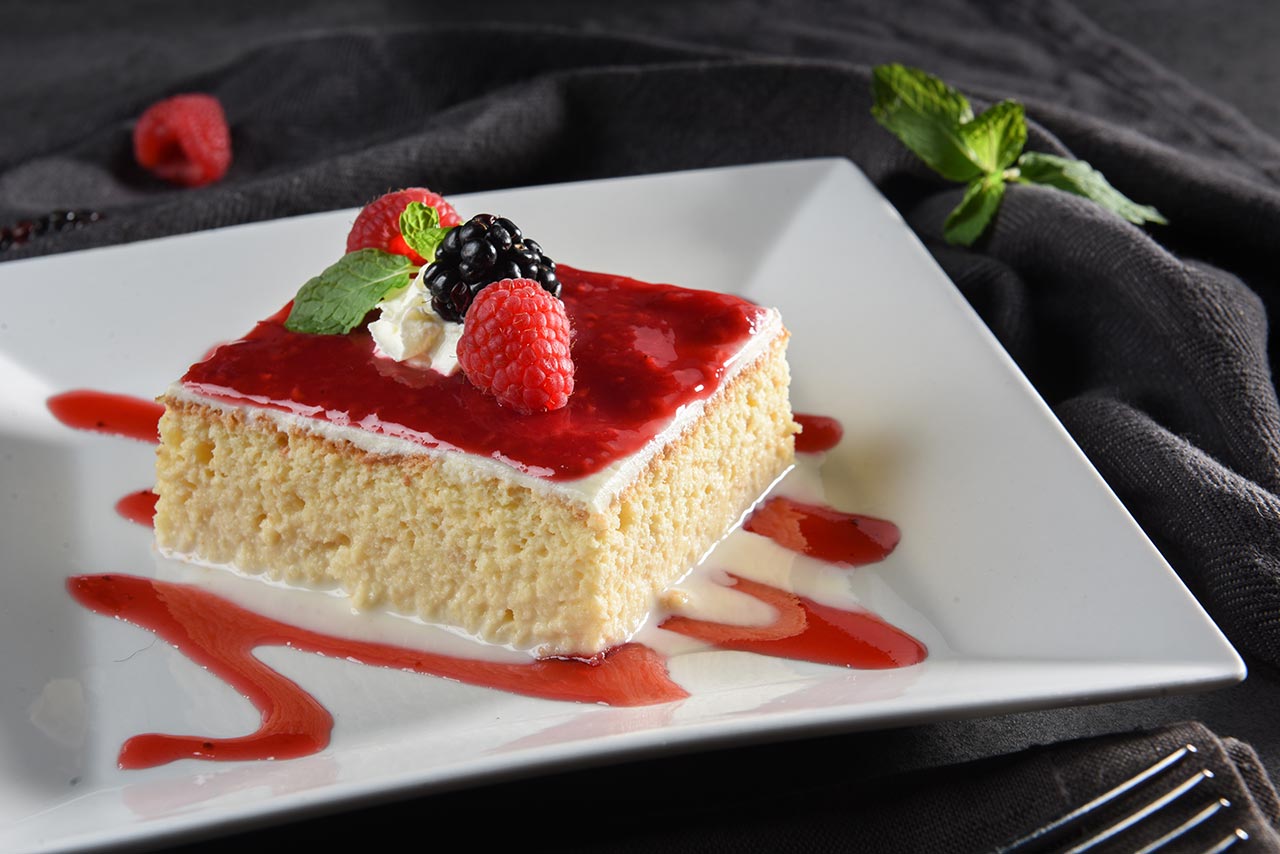
Trilesche is a soft tiramisu-like cake made from three different types of milk (cow, sheep and buffalo) with a caramel layer on top.
We hope this little preview of Turkish desserts will make you want to try them all.
There are also many others that we have not covered, such as profiteroles, kazandibi and many others, because then we should write an encyclopedia about Turkish desserts.


0 Comments